Tag Archives: google

Project Loon: The future of Worldwide internet coverage

Sri Lanka is well on its way to having improved Internet coverage.

Google’s high-altitude Project Loon balloons will soon blanket the island nation with affordable, high-speed Internet. Government officials and Google executives inked a deal to get the connected balloons flying over the Indian Ocean in the next few months.

A specific timeline has not been revealed, but Muhunthan Canagey, head of local authority at the Information and Communication Technology Agency, stated that Google is expected to complete the setup by March.

Local Internet service providers, he said, will get a speed and quality boost once the project is active. Operational costs are also expected to decrease.

Google announced Project Loon in the summer of 2013, confirming plans to provide Internet access to underserved areas via the high-flying balloons. The effort started with a pilot program in Canterbury, New Zealand, with 30 balloons in the air and 50 testers on the ground.

By November 2014, the project had logged around 3 million kilometers of flight, and expanded to include 20 balloon launches per day. Just shy of its two-year anniversary, Google announced that Project Loon was almost ready for lift-off around the world—first stop, Sri Lanka.

In a recent speech, Foreign Minister Mangala Samaraweera noted that “from this event onwards advertisements or headlines saying (Sri Lankan cities) Matara covered or Jaffna covered will become part of history.”

Samaraweera said he is “proud to declare that we are at the cusp of reclaiming our heritage of being connected to each other and connected to the world.”

“In a few months we will truly be able to say: Sri Lanka. Covered,” he said, as reported by the country’s official government news site.

google_project_loonProject Loon is just one way Google is looking to expand Internet coverage around the globe. Last year, it bought satellite maker Skybox for $500 million to help improve its maps, but also Internet access and disaster relief. Earlier in the year, Google also bought Titan Aerospace, a company that makes solar-powered, near-orbital drones that can fly around for about five years nonstop.

Google is taking it to the Streets

google_sidewalkIn June of 2015 Google announced the creation of a new company that will develop technology to improve city life for residents, businesses and governments.

Google has teamed up with Dan Doctoroff former Bloomberg CEO and ex-deputy mayor of economic development and rebuilding for the City of New York to advance the effort. Doctoroff will be CEO of Sidewalk Labs, which will be based in New York.

Doctoroff will contribute his experience in building and managing cities, and Google will provide funding and support.

Sidewalk Labs aims to tackle the biggest challenges cities face, said Google CEO Larry Page, including making transportation more efficient, lowering the cost of living, reducing energy usage, and helping governments operate more efficiently.

Responses to Sidewalk Labs

Comments on local blogs range from ecstatic praise to request for jobs to criticism to the extreme.

Some are: “can you ask them to develop very little self-driving robots to remove dogs’ excrements and other trash from the streets” and  “When you say everyone I hope that’s not just about solving first world problems of six figure salary techies. I want to hear more ideas about how to help the homeless and by help, I don’t mean just move them out of sight.”

There are document that point to the Cities Alliances Guide to City development Strategies, which includes recommendations on the following topics:

  • Livelihood, such as job creation, business development, and sources of household income
  • Environmental sustainability and energy efficiency of the city and the quality of its service delivery
  • Spatial form and its infrastructure
  • Financial resources
  • Governance

Life as Google Might See It

According to personnel, Sidewalk Labs possibly will create things that are highly and much more completely instrumented then tie that instrumentation to automated city management systems, services and planners. The benefit for Google is that the resulting information would be invaluable to people that want to sell you stuff.

If they get to critical mass, it would be nearly impossible to displace Google which would, for all practical purposes, be abstracting the government and directing it. With Nest, Google has our homes; with self-driving cars, our transportation; and now with this, they’ll get pretty much everything else.

Questions about Sidewalk Labs’ Vision

Apps in and of themselves don’t make a city more efficient; they can serve only as an overlay to infrastructure, and much of the infrastructure in most established cities in the United States is crumbling, according to the American Society of Civil Engineers’ 2013 report card for America’s infrastructure. We’ll need to invest US$3.6 trillion in infrastructure projects by 2020 to remedy this problem, it says.

Creeping Into a Crowded Market

Lots of companies, including IBM, have been involved in smart cities projects for years, and their efforts are more extensive than Sidewalk Labs’ initial aims.

A lot of cities are doing proposals for smart lighting but the problem is that they require a full IP network for the next 10 to 20 years.

Officials want to automate their cities and link all the databases together so they can plan out traffic patterns, revenue models, where they should put parking spaces, etc. One city is that is doing this is San Jose, which has begun piloting an Internet of Things project.

Google, Apple, Microsoft and other companies are motivated to get into the smart cities market, because they’ll have the databases and consumer information, and we will get locked in to them.

Google reveals Android M at Google I/O 2015

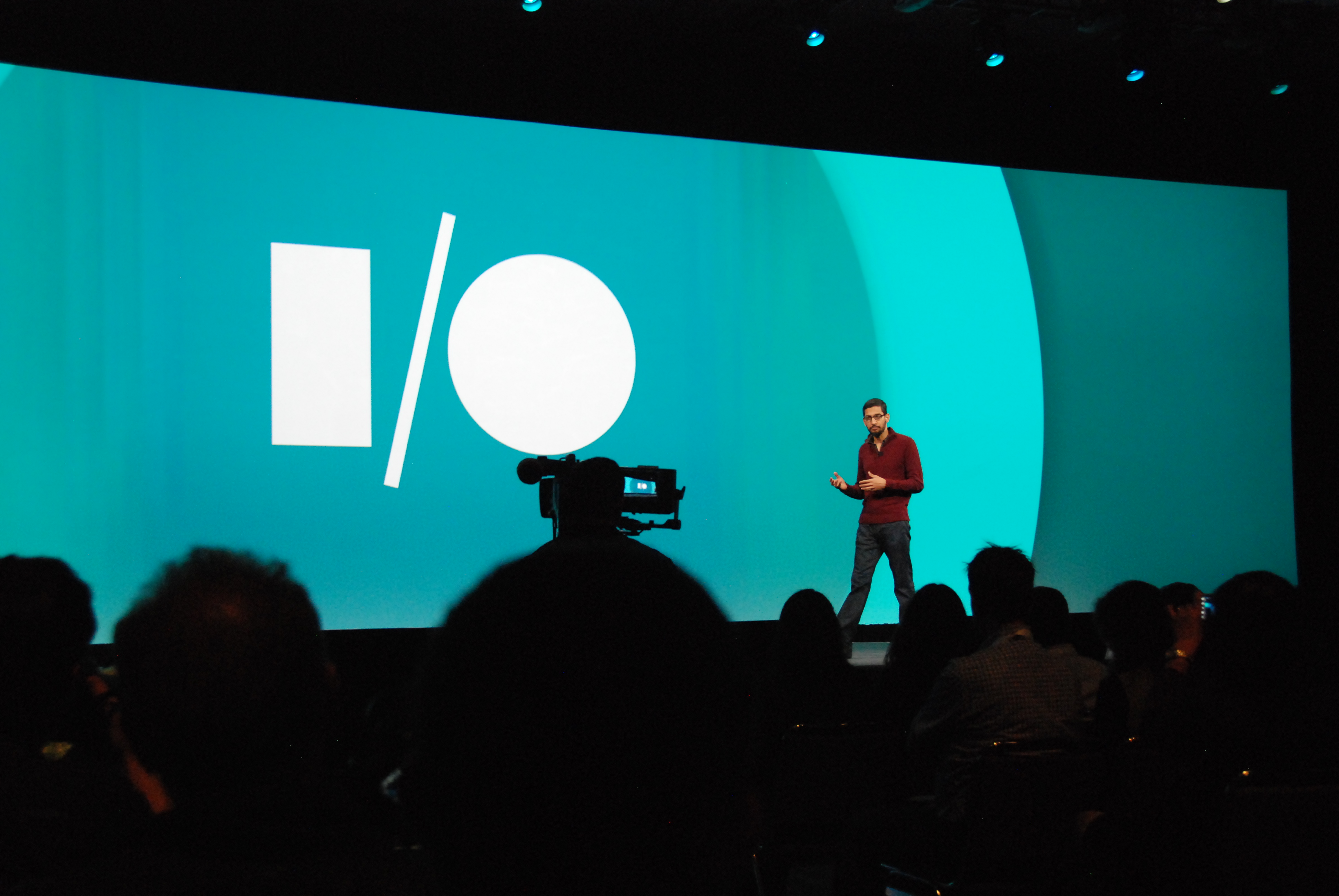
Google_IOGoogle revealed Android M at its I/O developer conference last week, a powerful step forward for the world’s most popular mobile operating system. Google made a conscious effort to improve the platform’s performance and stability, but was sure to include a few great features.

Many of the features are small enough that Google didn’t highlight them on stage. Some of the less-sexy additions include: easy word selection and floating clipboard toolbar, simplified volume controls, undo/redo keyboard shortcuts, improved trusted face reliability, unified Google/device settings, Wi-Fi power improvements, and stylus support.

Google Now On Tap is by far the most impressive addition to Android M. It’s all about context and situational awareness. Google says the intent behind Now On Tap is to make it easier for Android users to get assistance when and where they need it.

“If your friend texts you about dinner at a new restaurant,” explains Google, “without leaving the app, you can ask Google Now for help. Using just that context, Google can find menus, reviews, help you book a table, navigate there, and deep link you into relevant apps.” Users need only long-press the home button and Google will automatically do everything else. The possibilities here are powerful.

Android Pay will compete directly with Apple Pay and Samsung Pay. Android pay largely replaces Google Wallet. In fact, it’s an entirely new product built on the fragments of Softcard. In the US, Android Pay will be supported by AT&T, T-Mobile, and Verizon Wireless. Device owners will be able to make tap-and-go payments at about 700,000 retailers around the country when it launches. With Google’s support, mobile payment may get the shot in the arm it really needs for widespread adoption.

More importantly, Android Pay and everything else on Android M smartphones, can be secured with fingerprint authentication. Until now, only select manufacturers offered application program interfaces (API) for developers to access their hardware’s fingerprint readers. Now, Android supports fingerprint authentication system-wide for unlocking the device, approved purchases, and securing files or folders. The latest software development kit (SDK) from Google already includes the new fingerprint API. This will have great implications for business users.

It may not seem all that important, but Android M’s new power management features are something to get excited about. To start, a new feature called Doze can double standby battery life. Doze uses internal sensors to decide when the device hasn’t been moved in a while. It then aggressively shuts down notifications and other power-sapping activities until the device is picked up or moved. This means if you forget to plug your device in overnight, it won’t be dead in the morning. Also, Android M adds support for USB Type C, which has a reversible plug and reversible power flow. In other words, this means you will be able to use an Android M smartphone to charge an accessory such as a Bluetooth headset.

Android

App Links is the last of the new features that will improve the day-to-day experience on Android devices. As Android functions today, users often encounter popup dialog boxes when clicking links. For example, let’s say someone is scanning through Twitter and encounters a link to an Instagram photo. Clicking the link opens a dialog asking the user to choose which app to use to open the link (in this case, Chrome or Instagram). With App Links in Android M, applications will be able to verify such links automatically. This means clicking an Instagram link in Twitter will open the photo in Instagram, no questions asked.

Google wants to be your phone carrier

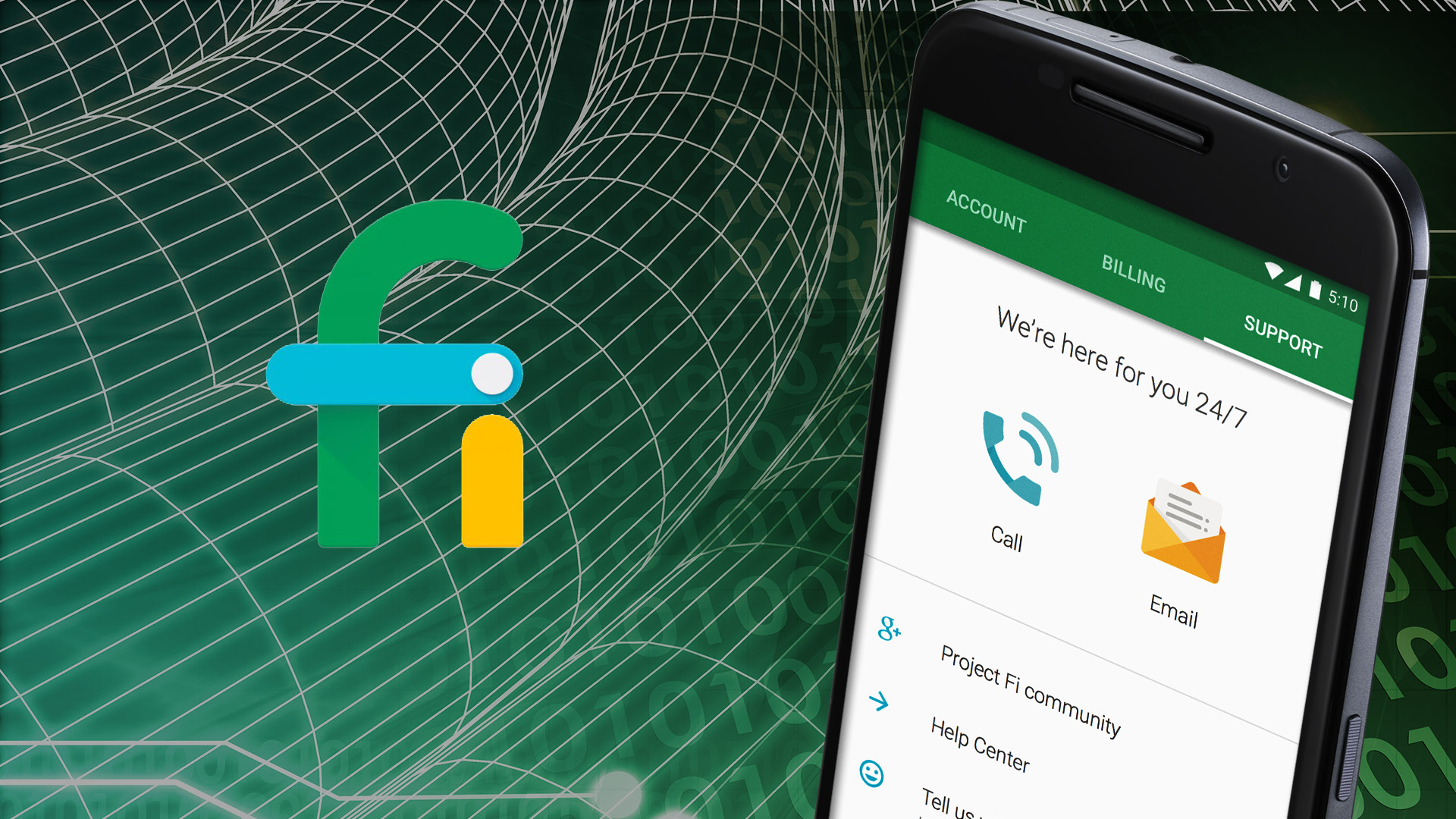
fi_logo Google announced on April 22nd of this year a new program called Fi. Fi combines the wireless networks of Google carrier partners Sprint and T-Mobile with more than 1 million free, open Wi-Fi hotspots Google has verified as fast and reliable.

Rumors that Google intended to enter the mobile virtual network operator field have been circulating since early this year. Users’ devices will move automatically to the fastest connection 4G LTE being the standard in the United States, accessing 3G or 2G if only those speeds are available. The program will work in more than 120 countries. Users can request an invitation to join the program. They can expect a response within 30 days.


Plan Benefits

The $20-a-month Fi Basics plan gives users unlimited domestic talk and text in the U.S., unlimited international texts, Wi-Fi tethering capabilities, and access to international calls at Google’s rates.

Users also will have to pay a $10 a month per GB of data, whether used within the U.S. or abroad.

The cost of the unused portion of the monthly data plan will be taken off the following month’s bill. Excess data use will be charged at $10 per GB. Download speeds outside the U.S. will be 3G. In my opinion, the pricing system is groundbreaking and could resonate with consumers specifically small businesses.


Where the Pain Begins

Fi is a no-contract program, but unlike prepaid plans, users will have to pay taxes which can amount to 20 percent of the bill.

4G Fi coverage is best on the East Coast and in the southeastern U.S. It’s spotty on the West Coast. Large parts of the rest of the U.S. are restricted to 3G or 2G networks, the Google Fi coverage map shows.

At present, Fi works only with Google’s Nexus 6, which will set users back $650 or more, plus applicable taxes. Those who already have this phone will get a free SIM card if they’re accepted into the program.

Emptying Consumers’ Wallets

Consumers with a wireless plan will have to pay termination fees set in their contract, which might be expensive. The average 4G smartphone user consumes nearly 2 GB of cellular data monthly, and that’s likely to double by 2018. So, while on the surface the Fi pricing may appear attractive, heavy data users may not save as much on their monthly bills as they anticipate. The average U.S. smartphone user downloads about three times more data over Wi-Fi than over the cellular network, so some of the perceived advantages of the Wi-Fi offload may be exaggerated.

The Impact on Carriers

The Fi program’s pricing scheme might spur Tier One carriers to follow suit. Meanwhile, T-Mobile and Sprint might be forced to build out their 4G LTE networks, which will be expensive but by cutting a deal with Google, they are looking for a short-term play for perhaps long-term gain and that remains to be seen. Still, Fi could open up service to many more devices. Sprint had a deal some time ago with WiMax. Data share plans add more monthly fees per device on top of the data bucket needed, so it gets to be too expensive. Fi will help put competitive pressure on Verizon and AT&T, which might lose subscribers to their program.

google_fi